

Beef Stew Caldereta

Updated: Aug 27

Introduction about Caldereta
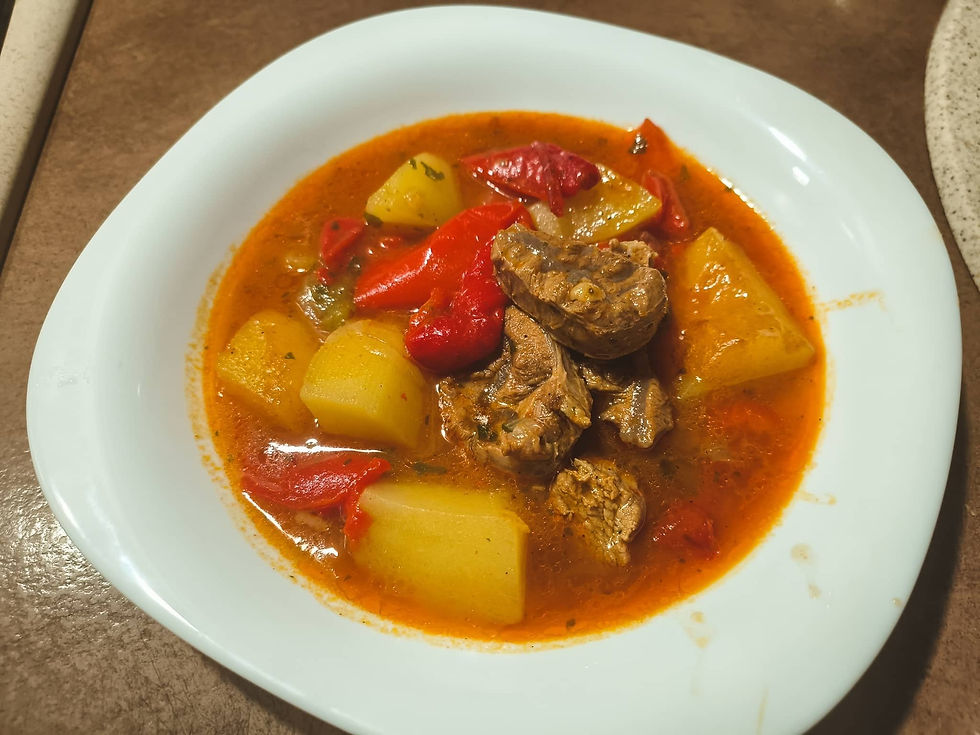
Beef Caldereta, also known as Kaldereta, is a hearty and rich Filipino meat stew that has captured the hearts and palates of many. This beloved dish is particularly renowned for its signature sauce, which is a delightful blend of ultra-savory tomato and liver paste. Traditionally, Caldereta was made with goat meat, but over time, it has evolved, and beef has become the more common choice for many households. The preparation of this dish involves a meticulous process where the meat is simmered low and slow, allowing it to become tender while absorbing the flavors of the sauce. Alongside the beef, a variety of vegetables are included, such as potatoes, carrots, and bell peppers, which not only add color and nutrition but also contribute to the overall heartiness of the stew. In many recipes, the dish is further enhanced with the addition of cheese and olives, which lend a creamy texture and a briny contrast to the rich sauce.
The name "Caldereta" derives from the Spanish word "caldera," which means "cauldron," a nod to its Spanish colonial roots and the traditional method of cooking the stew in a large pot. This dish has transcended its origins and has become a staple comfort food in the Philippines, often served during special occasions, holidays, and vibrant fiestas. Its presence on the dining table signifies celebration and togetherness, making it a cherished part of Filipino culinary culture.
Ingredients
The defining ingredients that contribute to the unique flavor and texture of Beef Caldereta include:
The Meat: Tough cuts of beef, particularly those with good marbling such as chuck or brisket, are preferred for Caldereta. These cuts are ideal for slow cooking, as they become fork-tender over time, allowing the flavors to meld beautifully.
Liver Spread: This ingredient serves as the secret weapon in the dish. Liver spread or pâté is whisked directly into the tomato base, which not only thickens the sauce but also imparts a deep, savory richness that is characteristic of Caldereta.
Spices & Heat: To elevate the dish further, red chili peppers, bird's eye chilies, or chili flakes are often added, providing a pleasant, spicy kick that balances the richness of the sauce and enhances the overall flavor profile.
Varying Add-ins: There are numerous regional and family variations of Caldereta, each with its own unique twist. Some recipes incorporate ingredients like shredded quick-melt cheese, which adds creaminess, or green olives, which contribute a tangy flavor. Additionally, some cooks might even add a spoonful of peanut butter or a splash of coconut milk to make the gravy even more luxurious and indulgent.

Conclusion
This time, I made this Caldereta according to my taste, carefully selecting ingredients that harmonize well with our climate and personal preferences. The result is a dish that is not only delicious but also perfectly complements a serving of steamed white rice, allowing the rich sauce to be soaked up and enjoyed in every bite.
Ingredients: simple, total time: 2h 45 min., 4-6 servings
1 Tbsp soy sauce
Olive oil EVO to taste
1 large onion/ finely chopped
730 g beef meat/ with little fat, cut into cubes
1/2 tsp chili flakes
salt and pepper to taste
130 ml dry white wine
1 tsp red ground paprika
150 ml tomato passata sauce
8 small new potatoes/ cut in half, or 3 medium potatoes
2 medium carrots/ cut into thick rings
1 fresh green lightly hot pepper/ without seeds -optional
1 medium fresh red bell pepper/ without seeds, diced
1 medium fresh yellow bell pepper/ without seeds, diced
1 medium fresh green bell pepper
50 g can peas/already boiled
50 g can corn/ already boiled, or 8 olives - optional
500 ml beef stock
1 Tbsp parsley leaves/ finely chopped
Recommend:
as side dish white rice see recipe here

Preparation:
Preparation before stewing:
Thoroughly prepare the vegetables as previously detailed, chop them, and set them aside.
Dice the veal into bite-sized cubes.
Combine the meat with soy sauce and refrigerate for approximately 25-30 minutes.
Making Caldereta:
In a large wok, heat the oil and add the chopped onion. Sauté for approximately 5-6 minutes until the onion softens and turns golden, maintaining a low to moderate heat.
Add the minced garlic, stirring for about 10 seconds, then incorporate the diced veal, chili flakes, salt, and black pepper to taste. Mix all ingredients thoroughly and cover the pan.
Stir occasionally and cook for around 35-40 minutes, allowing the liquid to evaporate.
Add the dry white wine and let it simmer for 5-7 minutes to allow the alcohol to evaporate.
Pour in 150 ml of beef broth to cover the ingredients halfway.
After this period, add red ground paprika and stir for approximately 2 minutes.
Add the tomato concentrate, stir for about a minute, then incorporate the diced potatoes.
Cover the wok again and cook for approximately 8-10 minutes.
Add the tomato passata sauce and 150 ml of beef broth.
Reduce the heat to low and cook, stirring occasionally, for about 30 minutes, gradually adding small amounts of beef broth.
After this time, add the carrots, strained peas, corn, and freshly chopped peppers. Mix lightly, ensuring the peppers remain on the surface and do not become limp.
Pour in the remaining broth and cook for approximately 15-17 minutes.
Taste and adjust the seasoning as necessary.
Towards the end, garnish with chopped parsley.
Serve warm in deep plates.
Buon appetito!
"May your kitchen always be filled with wonderful aromas, your table with good food and your heart with the joy of sharing" ☕❤️🌹


NOTE:
Tips and advice:
When selecting beef, ensure you opt for high-quality meat with a fat content not exceeding 30%.
This can serve as a substitute for beef, goat, pork, or chicken. It is advisable to use boneless chicken drumsticks or thighs.
Peppers and carrots should be firm rather than soft or limp; therefore, they should always be added to the Caldereta at the end of the cooking process.
As previously mentioned, it pairs well with steamed white rice. Additionally, it can be served with polenta or whole grain rice cooked longer than usual, or enjoyed on its own with a piece of bread.
Along with herbal spices, you may incorporate thyme, basil, or marjoram.
Optionally, turmeric can be added to this dish for a distinctive flavor and health benefits.
Vegetable broth can replace beef broth or water, with the addition of 1 tablespoon of bio dry spice Vegeta.
If you prefer a milder taste or are cooking for children, you may omit the hot pepper.
The original recipe includes soy sauce, which is rubbed into the meat and left for approximately half an hour in the refrigerator. If you do not prefer this ingredient, you can skip this step.
Instead of tomato passata, fresh peeled tomatoes chopped into small pieces or canned tomatoes can be used.
Storage:
Refrigerate any leftovers for a maximum of four days.
This dish can be frozen in sealed containers for up to two months; however, please be aware that the flavor may change compared to when it was freshly made.
Heating Food:
You can heat it in a pot, pan or microwave. This dish will thicken from being in the fridge, so it's not a bad idea to add a little liquid, water or broth when reheating, because this dish must have sauce.

Do you want to try something a little different?


#beef #stew #Caldereta #stew #Kaldereta #vegetables #tomatosauce #filipinfood #lunchtime #delicious #recipeipe
Use the contact form for questions or advice.
I would be happy if you would comment on my recipes and put like.


Comments