

Rosehip Jam


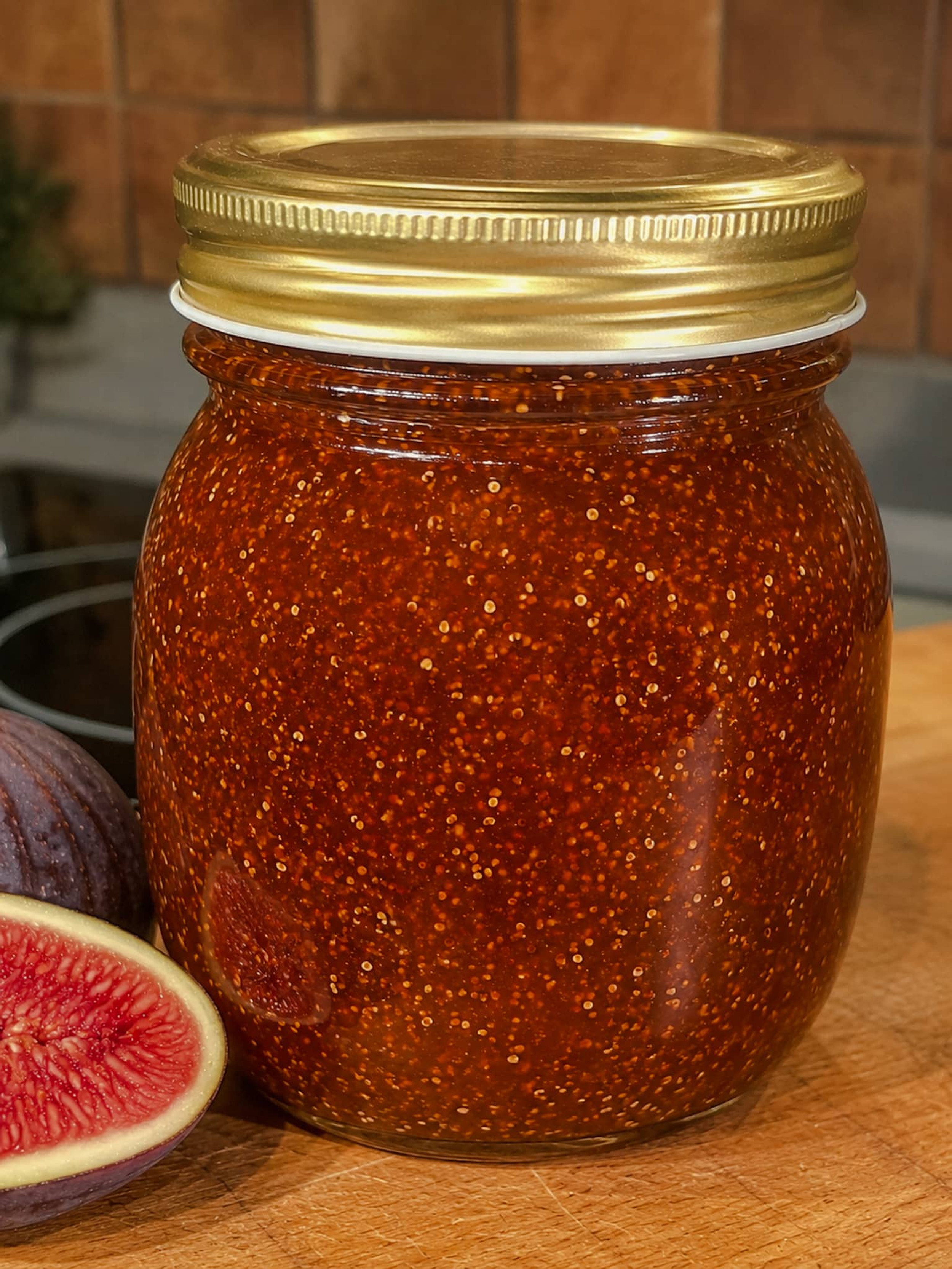
Rosehip jam is a unique and flavorful spread that has captured the hearts of many with its sweet and tangy profile. Derived from the small, round fruit of the wild rose plant, rosehips are not only delicious but also packed with nutrients, making them a wonderful choice for a homemade jam. This delightful concoction is often enjoyed on toast, scones, or as a filling in pastries, adding a burst of flavor that is both refreshing and satisfying.
The Origin and History of Rosehip Jam
The use of rosehips dates back centuries, with historical records indicating that they were utilized by various cultures for their medicinal properties as well as their culinary potential. Traditionally, rosehips were harvested in late summer to early autumn when they reach their peak ripeness. In many regions, especially in Europe, rosehip jam became a staple during the colder months, providing a sweet treat that was often made in large batches to preserve the harvest.
Nutritional Benefits of Rosehips
Rosehips are not only tasty but also incredibly nutritious. They are rich in vitamin C, antioxidants, and essential fatty acids. This makes rosehip jam not just a sweet indulgence but also a healthful addition to one’s diet. The high vitamin C content can help bolster the immune system, while antioxidants work to combat oxidative stress in the body. This unique combination of flavors and health benefits makes rosehip jam a popular choice among health-conscious individuals.
The Art of Making Rosehip Jam
Creating rosehip jam is an art that involves careful preparation and cooking to achieve the perfect consistency and flavor. The process begins with selecting ripe rosehips, which should be washed thoroughly to remove any dirt or insects. After removing the stems and seeds, the rosehips are then simmered with sugar and water until they break down and release their natural sweetness. Some recipes may also include additional ingredients such as lemon juice or spices to enhance the flavor profile, resulting in a jam that is both complex and delightful.
Culinary Uses of Rosehip Jam
The versatility of rosehip jam extends beyond simply spreading it on bread. It can be used as a filling for cakes and pastries, a topping for yogurt or pancakes, or even as a glaze for meats, adding a unique twist to savory dishes. The sweet and tangy nature of the jam pairs well with various cheeses, making it an excellent accompaniment on charcuterie boards. Furthermore, rosehip jam can be used to create flavorful cocktails or infused into beverages, providing a refreshing twist to traditional drinks.
Conclusion
In conclusion, rosehip jam is more than just a sweet spread; it is a celebration of nature's bounty and a testament to the art of preserving seasonal fruits. With its rich history, impressive nutritional benefits, and versatile culinary applications, it is no wonder that rosehip jam continues to be cherished by many. Whether enjoyed on a cold winter morning or as a delightful addition to a summer picnic, rosehip jam remains a timeless treat that brings joy and flavor to any table.

Ingredients: medium, total time: about 45 hours
6 liters of rosehip liquid
3 kg of sugar
liquid as needed for straining

Preparation:
Begin by thoroughly cleaning the harvested rosehip fruits, removing any impurities, black caps, and stalks.
Subsequently, wash the fruits and allow them to dry and soften.
Immerse the rose hips in water and cook them until they are completely soft, approximately 30 to 40 minutes.
Once softened, mash or grind the mixture.
Gradually dilute the resulting mass with a small amount of water to facilitate straining and seed separation.
After separating the seeds, filter the mass through a fine sieve to remove the fine hairs from the fruit's interior.
If necessary, use cheesecloth over the colander and repeat the straining process.
Place the mass on the stove and simmer slowly for approximately 3-4 hours.
When the mixture has reduced to about one-third of its original volume and thickened sufficiently, add sugar and continue cooking while stirring.
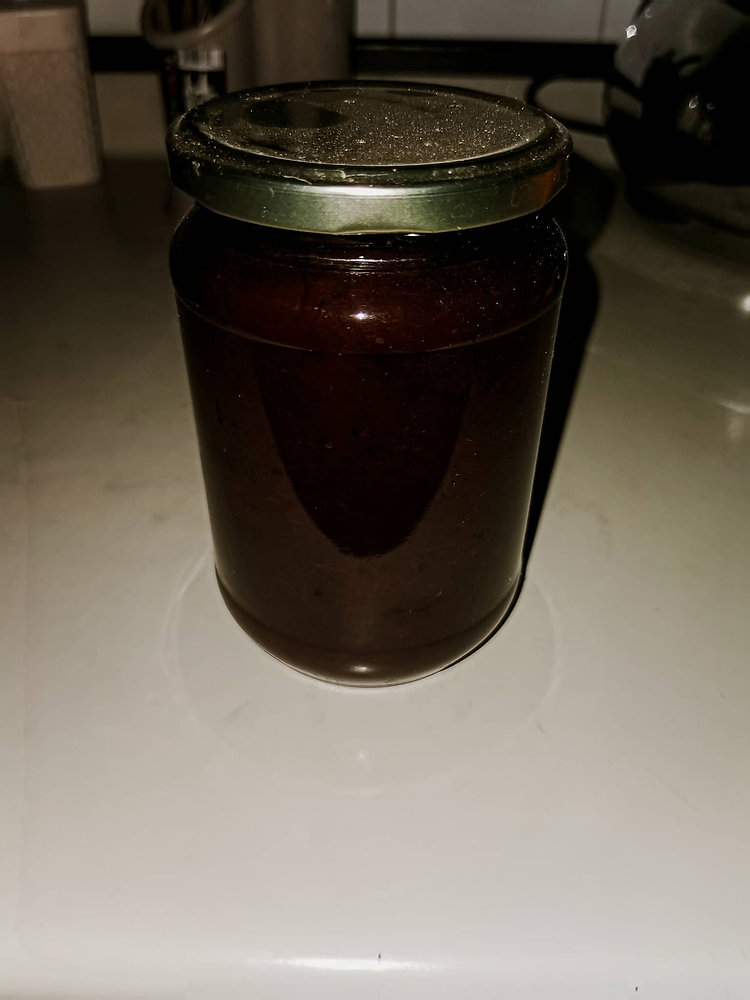
Transfer the cooked jam into sterilized jars, seal them, and invert.
Allow the jars to cool overnight, then store them in a suitable place for winter storage.
Buon appetito!
"A recipe may begin with ingredients, but its true flavor comes from the love and memories shared through it." ☕🍰🌹
NOTE:
This jam can be enjoyed with butter and bread for breakfast, or used as a filling for pancakes, pastries, or biscuits.
If you appreciate a citrus flavor, consider adding one finely minced and thoroughly washed orange or lemon.
For the initial straining, I used a metal kitchen sieve, while for the subsequent straining, I used a second tool with a fine metal mesh, typically used for skimming fat from soups. See pictures.
You can add 2 bags of vanilla sugar in it.
Store the jam in a cool, dark place such as a pantry or basement.
Do you want to try something a little different?



#rosehip #jam #marmelade #winterpreserves #housespells #delicious #homemade #winter #preservative #sterile #jars #tips #blog #foodblogg #foodblogger #coffeetimelena #coffeetimewithlena #coffeetimewithlenaallin1
Use the contact form for questions or advice.
I would be happy if you would comment on my recipes and put like.

Comments