

How to Make a Very Good Homemade Ajvar Recipe original from Serbia and Macedonia

Updated: 3 days ago
Authentic Homemade Ajvar Recipe from Serbia and Macedonia
Homemade Ajvar: A Traditional Delight from Serbia and Macedonia
Considering that Serbia and Macedonia are renowned for their rich culinary traditions, one of the standout creations from this region is homemade Ajvar. This savory condiment, made primarily from roasted red peppers, eggplant, and a blend of spices, holds a special place in the hearts and kitchens of many families. The preparation of Ajvar is not merely a cooking task; it is often a communal event, bringing together family and friends to share in the labor and joy of this beloved recipe.
The Cultural Significance of Ajvar
Ajvar is more than just a delicious spread; it is a symbol of hospitality and tradition in both Serbian and Macedonian cultures. Traditionally prepared in the late summer and early autumn when peppers are at their peak ripeness, the process of making Ajvar is often accompanied by social gatherings. Families come together to roast the peppers over open flames, infusing the air with a smoky aroma that is simply irresistible. This communal aspect of Ajvar production fosters a sense of community and preserves age-old culinary practices that have been passed down through generations.
The Recipe: A Splendid Addition to Your Table
The amounts in this excellent recipe from Macedonia provide a perfect guide for those eager to recreate this delightful condiment at home.
To make a traditional batch of Ajvar, you will need a selection of high-quality ingredients that highlight the flavors of the region:
- **Ingredients**:
- 5 kg of red bell peppers
- 1 kg of eggplant
- 200 ml of sunflower oil
- 4-5 cloves of garlic, minced
- Salt to taste -
Optional: chili peppers for added heat
Step-by-Step Instructions
1. Roasting the Peppers: Begin by washing the red bell peppers thoroughly. Place them on a grill or in an oven at high heat, turning occasionally until the skins are charred and blistered. This process enhances the flavor and gives Ajvar its signature smokiness.
2. Peeling and Preparing: Once the peppers are roasted, transfer them to a covered bowl to steam for about 15 minutes. This will make peeling them easier. After they have cooled, carefully peel off the skins and remove the seeds.
3. Roasting the Eggplant: While the peppers are steaming, roast the eggplants until they are soft and their skins are charred. Similar to the peppers, allow them to cool before peeling.
4. Blending the Mixture: In a large bowl, combine the peeled peppers and eggplants. Use a food processor or a hand blender to puree the mixture to your desired consistency. Some prefer a smooth texture, while others enjoy a chunkier version.
5. Cooking the Ajvar: In a large pot, heat the sunflower oil over medium heat. Add the garlic and sauté for a minute, then add the pureed pepper and eggplant mixture. Season with salt and, if desired, chopped chili peppers for a spicy kick. Allow the Ajvar to simmer for about 1-2 hours, stirring occasionally, until it thickens and the flavors meld beautifully.
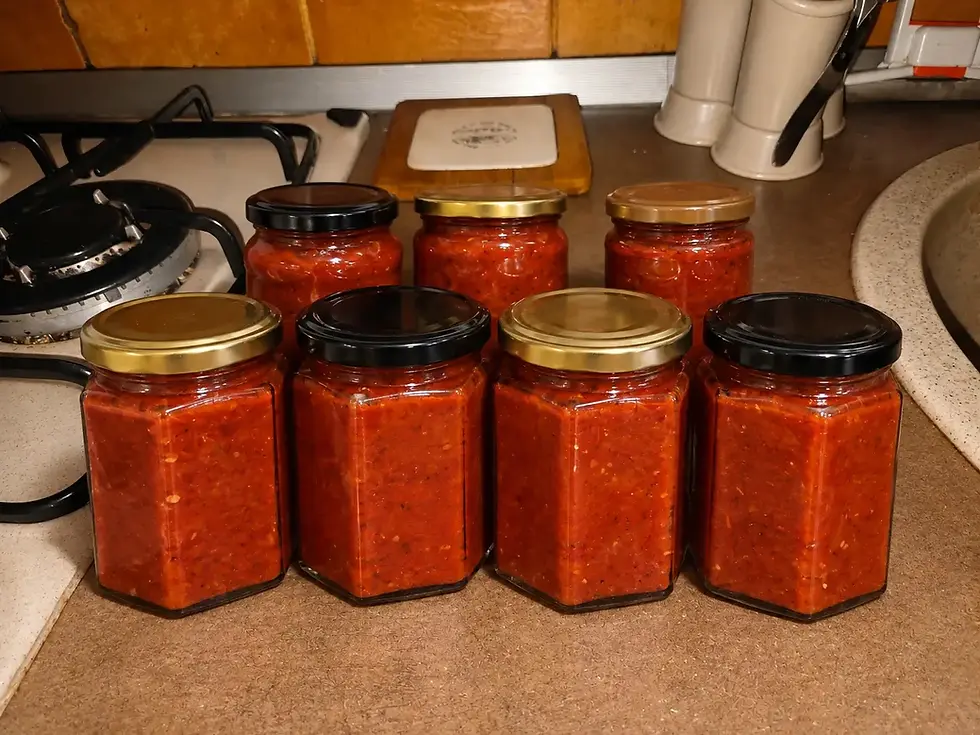
6. Preserving: Once cooked, pour the hot Ajvar into sterilized jars, seal them tightly, and process in a water bath for preservation. This will ensure that you can enjoy the taste of homemade Ajvar long after the pepper season has passed.
Serving Suggestions:
Ajvar is a splendid addition to a variety of dishes, making it incredibly versatile in the kitchen. It pairs beautifully with grilled meats, enhancing their flavors and adding a vibrant touch to your meals. Spread it generously on hamburgers for a unique twist or use it as a dip for fresh vegetables and pita bread. Additionally, it can be stirred into salads, adding a burst of flavor that elevates even the simplest of greens.
Conclusion
As a healthy and flavorful condiment, Ajvar is not only a testament to the culinary heritage of Serbia and Macedonia but also a delightful way to introduce the tastes of this region into your own home cooking. Follow these traditional recipes to create a delicious Ajvar that your family and friends will love, making it a cherished part of your dining experience.
Ingredients for Ajvar:
10 kg of red pepper
3 large blue eggplants
500 ml of oil (optional
1 Tablespoon sugar
Salt and pepper to taste

Preparation:
Begin by roasting the peppers in the oven. Immediately after roasting, place them in plastic bags for a few minutes to soften, which will facilitate peeling.
Once slightly cooled, peel each pepper and remove the seeds. Place them in a large drainer or a mesh bag, ensuring it is suspended to allow the peppers to drain for at least three hours.
Roast the eggplants in the same manner as the peppers. Place them in the same bag as the peppers for a brief period, then peel and allow them to drain. Using a hand-held meat grinder, grind the drained peppers and eggplants, then transfer the mixture to a large pot and heat on low.
Stir the mixture continuously while cooking, gradually adding 100 ml of oil every 20 minutes. It is crucial to stir constantly to prevent the oil from rising to the surface. To determine if the ajvar is ready, drag a wooden spoon across the bottom of the pot; a clear path should form, revealing the bottom of the pot.
Add salt and sugar in the final 20 minutes of cooking.
While the ajvar is cooking, prepare the jars.
Preheat clean jars in the oven to 50 °C and fill them with ajvar while they are still warm.
Apply a small amount of oil to the top of each filled jar and secure with a lid. Place the jars in a box and cover with a tablecloth. Allow them to cool gradually for 24 hours. Subsequently, store them in a cool, dark location.
Buon appetito!

Ingredients:
10 kg of bell pepper
3 kg of blue eggplant
1 liter of sunflower oil
5 cloves of garlic
2 Tablespoons of sugar
4–5 Tablespoons of salt (to taste)
200 ml of alcoholic vinegar
10 g preservative (optional)
Preparation:
Thoroughly wash the peppers and eggplants, then dry them using a clean towel.
Place the peppers on a baking sheet and position them in an oven preheated to 225 °C.
Bake until the pepper skins become colored and begin to separate from the flesh.
Remove the roasted peppers, transfer them to a bowl, and cover with plastic wrap to facilitate skin removal. Allow them to cool for approximately 30 minutes.
Arrange the eggplants on a baking sheet, place them in the oven at 225 °C, and bake for 30–40 minutes until they are colored and softened.
Transfer the baked eggplants to a bowl, cover with foil, and let them cool for 30 minutes.
Once cooled, remove the skin and seeds.
Place the cleaned peppers in a colander to drain excess water, which will thicken the ajvar. Repeat this process with the eggplants.
Heat approximately 600 ml of sunflower oil in a large saucepan over moderate heat.
Meanwhile, grind the peppers and eggplants using a meat grinder or food processor.
Add the ground peppers and eggplants to the heated oil, stirring to prevent burning.
As the ajvar begins to cook, incorporate the finely chopped garlic and continue stirring. Depending on the quantity, cook and stir the ajvar for about 1.5–2.5 hours.
Once the ajvar reaches a thick consistency (approximately 45 minutes), add sugar and stir, followed by salt, adjusting to taste.
Add the alcohol vinegar, mix well, and optionally include a preservative, continuing to stir.
After 60–90 minutes, the ajvar should achieve the desired thickness. Taste a sample and adjust salt or sugar as needed.
Fill pre-sterilized, hot jars with the hot ajvar, cover with a cloth or towel, and allow them to cool to room temperature before storing in a cool, dark place.

Ajvar without preservatives
If you prefer peppers and wish to exclude eggplant, consider this ajvar recipe featuring only peppers, garlic, spices, and oil. This recipe contains no preservatives and yields approximately 5 kg of ajvar. The cooking process will take approximately 4–5 hours.
Ingredients:
10 kg of red horn peppers
1 liter of oil
5 cloves of garlic
2 Tablespoons of sugar
4–5 Tablespoons of salt (to taste)
200 ml of alcoholic vinegar
Preparation:
Thoroughly wash the peppers and dry them using a clean towel.
Place the peppers on a baking sheet and bake in an oven preheated to 225 °C until the skin darkens and begins to separate from the flesh.
Remove the peppers, transfer them to a bowl, cover with plastic wrap to facilitate skin removal, and allow them to cool for approximately 30 minutes.
Once cooled, peel the peppers and remove the seeds. Place them in a colander to drain excess liquid, thickening the ajvar.
Heat approximately 600 ml of oil in a large saucepan over medium heat.
Grind the peppers using a meat grinder or chop them finely, then add them to the heated oil, stirring continuously to prevent burning.
As the ajvar begins to cook, incorporate the finely chopped garlic, continuing to stir. Depending on the quantity of peppers, cook and stir the ajvar for approximately 1.5 to 2.5 hours.
When the ajvar thickens (around 45 minutes), add sugar, mix, and then add salt. Begin with a smaller amount, tasting as you go, and adjust as needed.
Incorporate the alcoholic vinegar and mix thoroughly.
After 60 to 90 minutes, the ajvar should reach the desired thickness. Taste a sample and adjust the salt or sugar to preference.
Fill pre-sterilized, hot jars with the hot ajvar, adding a small amount of oil near the top. Seal the jars, cover with a cloth or towel, allow them to cool, and then store appropriately.
Use in the kitchen
Ajvar containing preservatives, when stored in sterilized jars, can be kept in a dry and dark location for up to 12 months. The same storage duration applies if kept in the refrigerator.
For ajvar without preservatives, add a 1 cm layer of oil on top before sealing the jar and pasteurize it. This method allows you to store the ajvar in the refrigerator or a cool, dark place for 9–12 months without spoilage.
Once a jar of ajvar is opened, it should be refrigerated and consumed within a few days.
Ajvar complements a variety of savory dishes. While it is typically served as a side dish with meat, its versatility allows for numerous culinary combinations.
Its deliciously thick texture and rich, distinctive flavor make it an excellent spread for bread. It pairs well with sausages, kebabs, grilled meats, baked potatoes, and can serve as an alternative to ketchup.
Ajvar also complements vegetables. Whether raw, cooked, or baked, combining vegetables with ajvar and a bit of flavorful cheese creates a delightful meal. Pairing nachos with ajvar offers a Balkan twist on guacamole.
As a common ingredient for enhancing dishes, ajvar can be combined with Italian pasta to create a rich Mediterranean flavor profile. It pairs well with all tomato-based sauces, and for added taste, consider incorporating oregano, dill, sage, and basil.
#food #ajvar #paprika #eggplants #homemade #winter # recipe # serbian #excellent #blog #coffeetimelena # hosespells #sterilejars
Use the contact form for questions or advice.
I would be happy if you would comment on my recipes and put like.
<a href="https://www.freepik.com/free-photo/homemade-red-pepper-sauce_17040306.htm#fromView=search&page=1&position=5&uuid=63a074e9-2d1f-4ac9-848f-47df3f206f47">Image by azerbaijan_stockers on Freepik</a>


Comments