

Medovik cake-Honey cake

Updated: Aug 28
Introduction to Medovik Cake
Medovik, commonly known as honey cake, is a traditional dessert that has captured the hearts and palates of many across various cultures, especially in Eastern Europe. This delightful cake is characterized by its unique layers and rich flavors, making it a popular choice for celebrations and gatherings. The name "Medovik" itself is derived from the Russian word for honey, "med," which plays a crucial role in the cake's preparation and taste.
Historical Background The origins of Medovik can be traced back to Russian culinary traditions, where honey was a prized ingredient due to its natural sweetness and preservative qualities. Historical records suggest that honey cakes have been enjoyed since ancient times, with variations appearing in various cultures. In Russia, Medovik became especially popular in the 19th century, often served during festive occasions and family celebrations. Its layered structure symbolizes the sweetness of life and the importance of family bonds.
Ingredients and Preparation
The traditional Medovik cake is made using simple yet high-quality ingredients. The primary components include flour, eggs, sugar, butter, and, of course, honey. The process begins by creating a honey-infused dough, which is then rolled out and baked into thin layers. These layers are often stacked together, separated by a creamy filling, usually made from sour cream or condensed milk, which adds a luscious texture and balances the sweetness of the honey.
Layering and Assembly
The assembly of Medovik is an art in itself. Once the layers are baked and cooled, they are carefully stacked, alternating with the creamy filling. This layering technique not only enhances the visual appeal of the cake but also allows the flavors to meld together over time, resulting in a moist and flavorful dessert. After assembly, the cake is typically chilled for several hours or overnight, allowing the layers to absorb moisture and flavors, creating a harmonious blend.
Variations and Serving
Suggestions While the classic Medovik features a honey and sour cream filling, there are numerous variations that incorporate different flavors and ingredients. Some recipes may include nuts, such as walnuts or almonds, adding a delightful crunch to the soft layers. Others might introduce spices like cinnamon or vanilla to enhance the flavor profile. Medovik can also be adorned with fresh fruits or chocolate shavings for an elegant presentation. When serving Medovik, it is often accompanied by a cup of tea or coffee, making it a perfect treat for afternoon gatherings or special occasions. Its rich, layered texture and sweet, honeyed flavor make it a delightful end to any meal.
Conclusion In summary
Medovik cake, or honey cake, is more than just a dessert; it is a symbol of tradition, family, and celebration. Its rich history, combined with its delectable taste and versatile nature, ensures that it remains a beloved choice for many. Whether enjoyed at a festive gathering or as a comforting treat at home, Medovik continues to be a cherished part of culinary heritage, inviting everyone to savor its sweet layers of joy.
Ingredients: simple, total time: 75 min.
3 eggs
150 g of granulated sugar
100 g powdered sugar
2 Tbsp of honey
400 g flour
500 ml of sour cream
200 g butter/ divided
1 tsp of baking soda.

Preparation:
Bark:
Combine 150 g of sugar, 2 tablespoons of honey, and 100 g of butter in a saucepan, reserving the remaining butter for the filling.
Heat the mixture over low heat, stirring continuously, until all ingredients are melted and well combined.
Remove from heat and add a teaspoon of baking soda to the warm mixture. The mixture will foam and lighten in color, indicating it is ready.
Mixing and baking thin Crusts:
Incorporate 3 whole eggs into the warm mixture and gradually blend in 400 g of flour.
Knead the mixture into a smooth dough that does not adhere to your hands.
Divide the dough into 6 equal portions.
Using a rolling pin, roll out each portion on baking paper into a very thin circle or rectangle.
Bake the dough sheets briefly in an oven preheated to 180°C for approximately 4-5 minutes, until they achieve a light brown color.
Immediately upon removal from the oven, trim the edges of the hot sheets to achieve the desired shape, and reserve the trimmings.
Grind the leftover dough into crumbs for decoration.
Making White cream:
In a large bowl, whip 500 ml of cream with 100 g of powdered sugar until a firm and rich consistency is achieved.
In another bowl, beat the remaining 100 g of butter until it becomes foamy, then gradually incorporate it into the whipped cream.
The final mixture should be light and airy.
Assambling Layers:
Position the initial crust on the tray and generously apply the white filling over it.
Continue this procedure until all crusts and filling have been utilized.
Lastly, coat the entire cake, including the top and sides, with the remaining cream to ensure the crumbs adhere properly.
Decoration and Cooling:
Process the remaining baked crusts into fine crumbs.
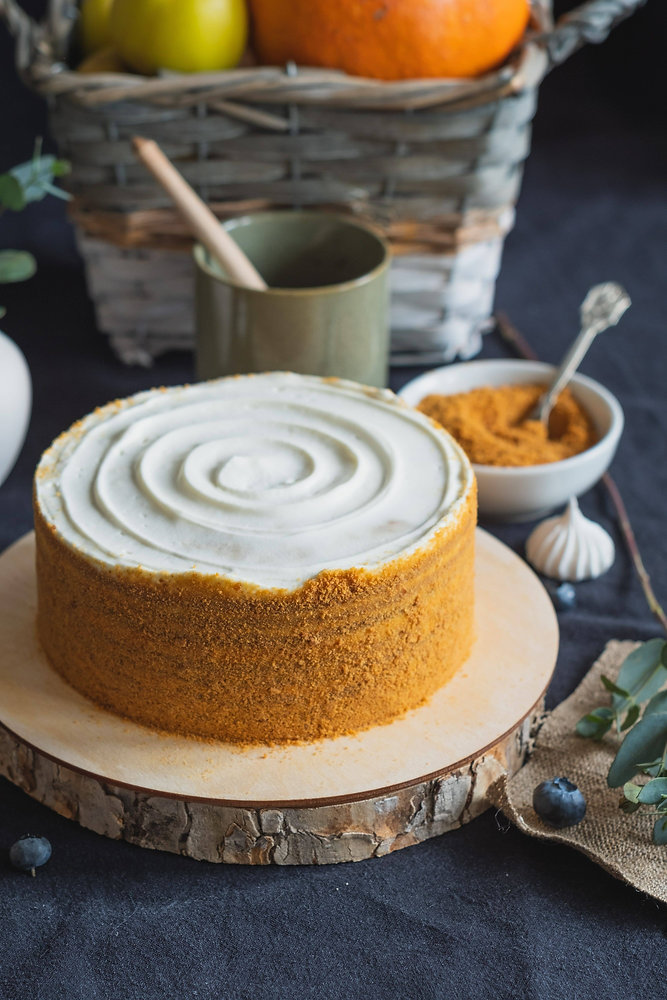
Generously sprinkle the crumbs over the entire cake, as demonstrated in the image.
Ensure the medovik is refrigerated for a minimum of 12 to 24 hours to allow the cake to set properly. This step is essential for the layers to fully soften and absorb the flavors of honey and cream.
Buon appetito!
"May your kitchen always be filled with wonderful aromas, your table with good food and your heart with the joy of sharing" ☕❤️🌹
NOTE:
Useful tips for the best result:
Stretch the crusts directly on the baking paper to achieve maximum thinness.
For optimal flavor, incorporate homemade, darker honey, which will enhance the dough's aroma.
Utilize a long, sharp knife to cut the cake, ensuring all the delicate, thin layers are distinctly visible.
Store the medovik cake in the refrigerator for up to five days.
Do you want to try something a little different?





#MedovikcakeHoneycake #medovikcake #medovik #honey #honeycake #recipe #dessert #simplerecipe #deliciousdessert
Use the contact form for questions or advice.
I would be happy if you would comment on my recipes and put like.


Comments