

Traditional Serbian Bread

Updated: Oct 22
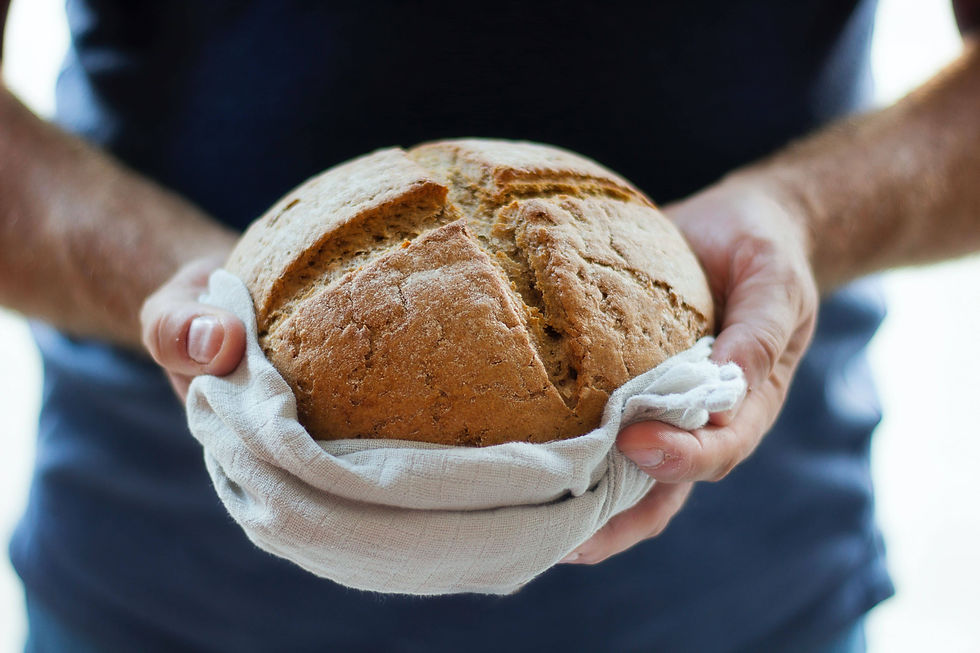
Homemade Serbian Bread: Pogača
This is how Serbian housewives make homemade bread, which is affectionately known as pogača. Pogača is a traditional bread that holds a special place in Serbian cuisine, celebrated for its delightful flavor and warm, inviting aroma. It is not only a staple at family meals but also a beloved dish for special occasions and gatherings. The process of making pogača is steeped in tradition, often passed down through generations, and each family may have its unique twist on the recipe.
Ingredients and Preparation
The preparation of pogača begins with simple, high-quality ingredients that are commonly found in Serbian households. The primary components include flour, water, yeast, salt, and sometimes milk or yogurt, which contribute to the bread's rich texture and taste. The choice of flour can vary, with many opting for all-purpose flour or a mix of white and whole wheat flour to enhance the flavor profile.
Preparation Step by Step
To start, the yeast is activated by mixing it with warm water and a pinch of sugar, allowing it to froth and bubble, which indicates that it is ready to be incorporated into the dough. In a large mixing bowl, the flour and salt are combined, creating a well in the center where the yeast mixture can be poured.
Gradually, the ingredients are mixed together, forming a soft dough. Kneading is a crucial step in this process, as it develops the gluten, giving the bread its characteristic chewy texture. This step usually takes about 10-15 minutes of vigorous kneading until the dough becomes smooth and elastic.
Once kneaded, the dough is placed in a lightly oiled bowl and covered with a cloth. It is then left to rise in a warm environment for approximately one to two hours, or until it has doubled in size. This fermentation process not only helps the dough to rise but also enhances the flavor of the bread.
After the dough has risen, it is gently punched down to release any trapped air. At this stage, it can be shaped into various forms, such as a round loaf or flattened into a disc. Some housewives choose to create decorative patterns on the surface of the pogača, adding an artistic touch that is visually appealing. The shaped dough is then placed on a baking tray lined with parchment paper and is left to rise for an additional 30 minutes.
Preheating the oven is essential, as a hot oven ensures that the bread bakes evenly and achieves a beautiful golden crust. The pogača is typically baked at a temperature of around 375°F (190°C) for about 30 to 40 minutes, or until it sounds hollow when tapped on the bottom.
Serving Suggestions
Once out of the oven, the pogača is best served warm, often accompanied by butter, cheese, or cured meats. Its soft, fluffy interior and crusty exterior make it an irresistible addition to any meal. The aroma that fills the kitchen during baking is enough to make anyone eager to enjoy a slice.
Conclusion
In conclusion, making pogača is not just about following a recipe; it is an experience that involves love, tradition, and a connection to Serbian culture. The warmth and flavor of homemade pogača bring families together, making it a cherished dish that is sure to delight anyone who has the pleasure of tasting it. Follow the recipe, and you too can create this delicious and comforting bread that embodies the heart of Serbian hospitality.
Ingredients: simple, total time: 90 min.
200 ml lukewarm water
12 g fresh yeast
1/2 teaspoon of sugar
380 g flour type 400
1/2 teaspoon of salt
a bit of oil (if you like more yellow color on this bread, use also 1 egg)
You can add whole wheat flour, cumin, sunflower, sesame if you like.
Preparation:
Dissolve the yeast in lukewarm water, add half a teaspoon of sugar, and mix thoroughly.
After 10 minutes, incorporate all the flour and mix well with a spoon. Once the dough begins to form, knead it by hand for approximately 10 minutes.
Add salt to the dough and mix thoroughly. Dust the work surface with flour and roll out the dough.
Knead the dough for an additional 5 minutes, shape it into a ball, place it in a bowl to rise, cover with a cloth, and let it rest for 30 minutes.
Once risen, briefly knead the dough for 5 minutes, cover it in a bowl with plastic wrap, and let it rest for 15 minutes.
Lightly sprinkle flour on the dough. After resting, place it in a deep round pan lined with baking paper. Stretch the dough to fit a 30 cm pan, brush it with oil, cover with plastic wrap, and let it stand for 15 minutes.
Using a knife, create parallel and crosswise lines as decoration. Bake in a preheated oven at 220°C for 18 minutes. Once baked, cover the bread with a cloth and let it rest for 15 minutes. Serve warm.
Buon appetito!
NOTE:
Wrap the bread in a clean cotton cloth and put it in a nylon bag to keep in the bread box.
Use the contact form for questions or advice.
I would be happy if you would comment on my recipes and give them a like.


Comments