

Traditional Greek Eggplant Moussaka

Updated: Aug 27

Traditional Greek Eggplant Moussaka
Introduction to Moussaka
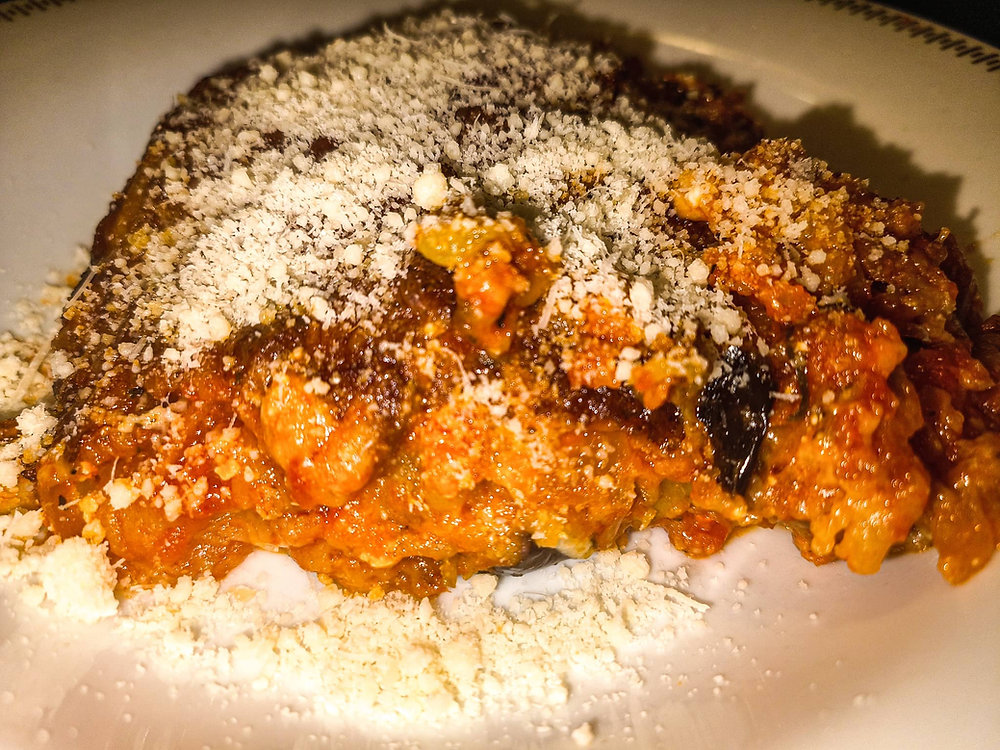
Moussaka is a quintessential dish that holds a special place in Greek culinary tradition. This hearty casserole is renowned for its rich flavors and comforting textures, making it a beloved staple in Greek households and restaurants alike. The dish has its roots in the Mediterranean region, but it has been embraced and adapted by various cultures, each adding its own unique twist to the recipe. ## Ingredients and Layers The traditional Greek moussaka is characterized by its layered structure, which typically includes three main components: sautéed eggplant, a savory meat sauce, and a creamy béchamel topping.
Eggplant Preparation
The star of the dish, eggplant, is usually sliced into rounds, salted, and left to drain to remove excess moisture and bitterness. This step is crucial as it enhances the flavor and texture of the eggplant. After salting, the slices are often grilled or fried until they are golden brown and tender, adding a delicious depth of flavor to the final dish. ### Meat Sauce The meat sauce is another essential element of moussaka. Traditionally, ground lamb or beef is used, sautéed with finely chopped onions, garlic, and a blend of aromatic spices such as cinnamon, allspice, and nutmeg. Tomatoes, either fresh or canned, are added to create a rich, savory sauce that complements the eggplant beautifully. This mixture is simmered to perfection, allowing the flavors to meld together and create a robust filling.
Béchamel Sauce
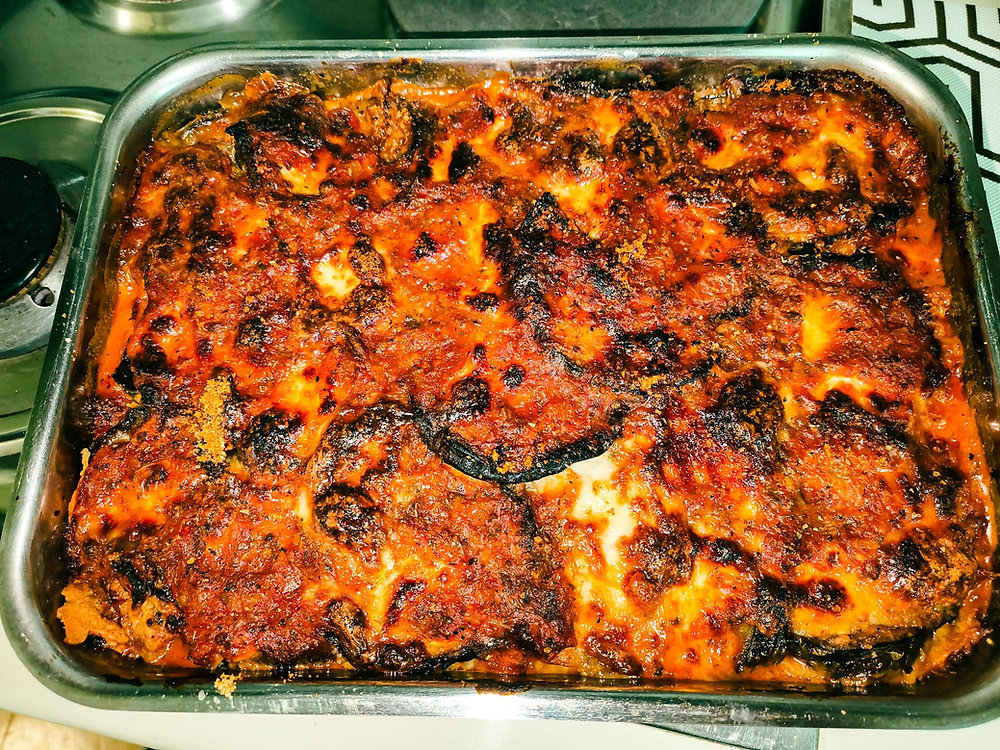
Topping off the layers is the creamy béchamel sauce, which is made from a simple combination of butter, flour, milk, and eggs. This velvety sauce is seasoned with a pinch of nutmeg and a sprinkle of salt, providing a luxurious finish to the dish. Once layered over the meat and eggplant, the béchamel is baked until it forms a golden, bubbly crust that adds a delightful contrast to the tender layers beneath.
Baking and Serving
After assembling the layers in a baking dish, moussaka is typically baked in the oven until it is hot and bubbly. The baking process allows the flavors to meld together, creating a harmonious blend that is deeply satisfying. Once out of the oven, it is recommended to let the moussaka sit for a while before serving, as this resting period helps the layers to set and makes it easier to cut into portions. Moussaka is often served with a side of fresh salad or crusty bread, making it a complete meal that is perfect for gatherings and special occasions. The dish can also be prepared in advance and reheated, making it a convenient option for busy weeknights or festive celebrations. ## Cultural Significance In Greece, moussaka is more than just a meal; it is a symbol of hospitality and tradition. Often enjoyed during family gatherings and festive occasions, this dish brings people together around the table, celebrating the rich flavors of Greek cuisine. Each family may have its own cherished recipe, passed down through generations, reflecting the personal touches and regional variations that make moussaka a unique culinary experience.
Conclusion
Traditional Greek eggplant moussaka is a dish that encapsulates the essence of Greek cooking—simple, fresh ingredients transformed into a comforting and flavorful meal. Whether enjoyed at a bustling taverna in Greece or prepared at home, moussaka remains a timeless favorite that continues to delight palates around the world. Its layered complexity and rich history make it a dish worth exploring and savoring.
Ingredients: medium, total time: 170 min. 4-6 servings
2–3 medium eggplants/ 900 g
Olive oil/ for brushing
salt to taste
For the Meat Sauce:
2 Tbsp Olive oil EVO
1 onion/ finely chopped
2 cloves of garlic/ minced
500 g ground beef/ or lamb
2 Tbsp tomato paste
400 g canned crushed tomatoes
120 ml red wine/ optional
1 tsp ground cinnamon
salt and pepper to taste
pinch of sugar
For the Béchamel Sauce
60 g Tbsp butter
60 g flour
750 ml whole milk
2 eggs/ lightly beaten
60 g grated kefalotyri/ or Parmesan cheese
pinch of ground nutmeg
salt and pepper to taste

Preparation:
Preparation the Eggplants:
Slice the eggplants into rounds approximately 1.25 cm thick.
Season both sides with salt and let them sit on paper towels for 30 minutes.
Rinse the eggplants and pat them dry.
Brush with olive oil and roast on baking sheets at 200°C for 20–25 minutes, turning them halfway through the cooking process.
Cook the Meat Sauce:
In a large skillet, heat olive oil and sauté the onion until it softens, then add the garlic.
Add the ground meat and cook until it is browned.
Incorporate the tomato paste, crushed tomatoes, wine, cinnamon, salt, pepper, and sugar.
Simmer uncovered for 20–30 minutes, until the mixture thickens. Allow it to cool slightly before serving.
Make the Béchamel:
In a saucepan, melt the butter over medium heat.
Add the flour, whisking continuously, and cook for 1 minute.
Gradually pour in the milk, whisking constantly until the mixture is smooth. Continue cooking until it thickens.
Remove the saucepan from the heat and stir in the cheese, nutmeg, salt, and pepper. Allow it to cool slightly before whisking in the eggs.
Assemble the Moussaka:
Preheat the oven to 180°C.
In a greased 23×33 cm baking dish, arrange half of the eggplant slices.
Spread the meat sauce evenly over the eggplant, then layer with the remaining eggplant slices.
Pour the béchamel sauce over the layers and smooth it out. Optionally, sprinkle extra cheese on top.
Bake and Rest:
Bake for 45 to 50 minutes, or until the top is golden brown and firm. Let it cool for at least 30 minutes before slicing.
Buon appetito!
NOTE:
Store the moussaka covered in the refrigerator for up to three days.
Optionally, you may freeze the moussaka in airtight containers for up to two months.
Do you want to try something a little different?

#TraditionalGreekEggplantMoussaka #lunch #meal #food #maindishes #Greekfood #recipe #delicious #baking #moussaka
Use the contact form for questions or advice.
I would be happy if you would comment on my recipes and put like.


Comments